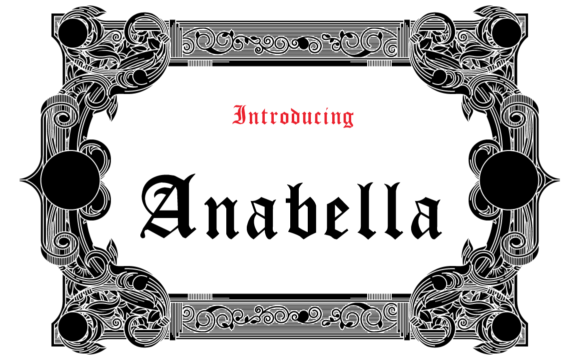
Anabella: A Gothic Font for Timeless Design and Branding
When it comes to typography, the right font can make all the difference in how a message is perceived. Anabella is a striking blackletter Gothic font that brings a sense of elegance, strength, and historical flair to any design project. Whether you're working on print materials, branding, or digital displays, Anabella offers a unique visual language that can elevate your work. Its intricate details and bold structure make it ideal for creating a strong visual identity that stands out.
Understanding where and how to use Anabella is key to maximizing its potential. This font isn’t just about aesthetics—it’s about purpose. From concept to execution, integrating Anabella into your workflow requires thoughtful planning and an understanding of its strengths and limitations.
What Is Anabella and Where Does It Fit?
Anabella is a blackletter typeface inspired by traditional Gothic script. It features sharp serifs, ornate flourishes, and a commanding presence that makes it perfect for headlines, logos, and other display purposes. Unlike more modern sans-serif fonts, Anabella adds a layer of sophistication and historical context, making it ideal for projects that aim to evoke a sense of tradition, power, or artistry.
This font fits naturally into design workflows where visual impact is essential. It works well in branding projects that require a strong, memorable identity. For example, if you’re designing a logo for a boutique, a publishing house, or a luxury brand, Anabella can provide the visual weight needed to convey exclusivity and quality. It also pairs well with other fonts in a design system, offering contrast and balance when used thoughtfully.
Using Anabella in Different Stages of a Project
Anabella can be incorporated at various stages of a design or branding project. Before starting, consider how the font will align with the overall vision. If your brand aims to communicate strength and heritage, Anabella may be a strong candidate. During the creative process, experiment with different weights and sizes to see how it interacts with other elements like images, colors, and layouts. After the initial design, test the font in real-world scenarios—such as on business cards, packaging, or website headers—to ensure readability and effectiveness.
For instance, if you're working on a marketing campaign, using Anabella for headlines can create a focal point that draws attention. However, it’s important to avoid overusing it. Too much text in Anabella can become difficult to read, especially in smaller sizes. Instead, use it strategically for key elements like titles, slogans, or call-to-action buttons.
Integrating Anabella with Other Tools and Resources
Anabella doesn’t exist in isolation. It works best when integrated with other design tools, software, and resources. If you’re using graphic design platforms like Adobe Illustrator, Photoshop, or InDesign, make sure the font is properly installed and accessible within your workspace. Many designers also use font management tools to organize their collections, ensuring quick access to Anabella when needed.
When working with a team, consider how Anabella will be shared and used across different projects. Provide clear guidelines on its appropriate usage, including size, spacing, and color combinations. If you’re collaborating with developers or web designers, ensure that the font is compatible with the platforms being used. Web-safe alternatives or font licensing options may be necessary depending on the project scope.
Practical Tips for Implementation
To get the most out of Anabella, start by testing it in small, low-risk environments. For example, use it in a social media post or a poster before applying it to a major branding initiative. This allows you to gauge its effectiveness without committing fully. Pay attention to how it looks on different devices and backgrounds, as this can affect legibility and visual appeal.
Another practical tip is to pair Anabella with complementary fonts. A clean, modern sans-serif can provide contrast and balance, making the design more versatile. For example, using Anabella for a headline and a simpler font for body text can create a hierarchy that guides the reader’s eye effectively.
Factors to Consider for Long-Term Use
When considering long-term use of Anabella, think about factors like consistency, scalability, and adaptability. If your brand plans to expand or evolve, ensure that the font remains relevant and functional. Regularly review how it performs in new contexts, such as mobile interfaces or international markets, to maintain a cohesive visual identity.
Quality control is also important. Monitor how Anabella appears across different mediums and formats. Print materials may require adjustments for resolution and ink coverage, while digital displays need optimization for screen clarity. Keeping these considerations in mind ensures that the font continues to serve its purpose effectively over time.
Workflow Examples and Observations
Consider a scenario where a small business owner is launching a new line of handmade products. They want a logo that feels authentic and distinctive. By using Anabella, they can create a logo that reflects the craftsmanship and care behind their work. The font’s detailed strokes and classic style reinforce the brand’s identity, making it instantly recognizable.
In another example, a designer working on a book cover might use Anabella to create a title that commands attention. The font’s dramatic appearance complements the content, especially for genres like fantasy, historical fiction, or gothic literature. Pairing it with a subtle background texture can enhance the overall aesthetic without overwhelming the reader.
Conclusion: Embracing Anabella in Your Work
Anabella is more than just a font—it’s a tool that can add depth, character, and visual interest to your designs. By understanding its strengths and limitations, you can integrate it into your workflow in a way that enhances your projects without compromising clarity or usability. Whether you're working on a personal creative endeavor or a professional branding initiative, Anabella offers a powerful way to express your vision with style and substance.