Aracne Condensed: A Stylish, Compact Font for Creative Projects
Aracne Condensed is a versatile and eye-catching font that brings a unique blend of style and functionality to any design project. As the sister font to Aracne, it retains the same distinctive character but in a more compact form. This makes it ideal for situations where space is limited, yet visual impact is essential. Whether you're designing a logo, crafting a website layout, or creating marketing materials, Aracne Condensed offers a casual yet sophisticated look that adds personality and flair.
For designers, entrepreneurs, and content creators, this font can be a powerful tool when used correctly. However, many people overlook key details that can affect how well the font performs in different contexts. Understanding these nuances can help you make better choices and avoid common pitfalls.
Understanding Aracne Condensed: What Makes It Unique
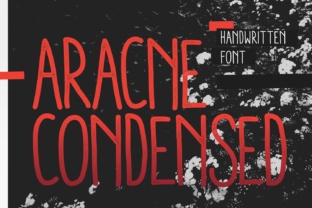
Aracne Condensed is designed with a focus on efficiency without sacrificing aesthetics. Its condensed structure allows more text to fit into a smaller area, making it perfect for headlines, banners, and other space-sensitive designs. Despite its tight spacing, the font maintains a natural, hand-drawn feel that gives it a warm, approachable quality.
This casual quality is one of its strongest assets. Unlike more rigid, formal typefaces, Aracne Condensed feels personal and expressive. It’s particularly effective in branding, social media graphics, and editorial designs where a human touch can make a big difference.
Common Mistakes When Using Aracne Condensed
While Aracne Condensed is visually appealing, it's easy to misuse. One of the most common mistakes is overusing the font. Many users apply it to entire paragraphs or large blocks of text, which can lead to readability issues. The condensed style works best in short phrases or as a highlight rather than a primary body font.
Another mistake is not considering the context. Aracne Condensed may not be suitable for formal documents or professional presentations where a more traditional font is expected. Its casual nature can come across as unprofessional if not used appropriately.
Additionally, some users fail to check the licensing terms before downloading or purchasing the font. Depending on the source, there may be restrictions on commercial use, redistribution, or modification. Ignoring these details can lead to legal complications or unexpected costs.
How These Mistakes Can Affect Your Work
Using Aracne Condensed incorrectly can have several negative consequences. Overuse can reduce readability, making your message less effective. Poorly chosen contexts can damage your brand’s image, especially if the font doesn’t align with your target audience’s expectations.
Ignoring licensing requirements can result in fines or the need to repurchase the font for proper use. This can add unnecessary expenses and delays to your project timeline. Moreover, failing to test the font in different formats—such as print, web, or mobile—can lead to inconsistent results that undermine your design efforts.
Practical Advice for Better Results
To get the most out of Aracne Condensed, start by using it strategically. Apply it to headings, titles, or short taglines where its visual appeal can shine. Pair it with a more neutral font for body text to maintain balance and readability.
Before using the font, research its licensing terms. Make sure you understand what you’re allowed to do with it, especially if you're planning to use it commercially. Always download from trusted sources to ensure you receive a legitimate, high-quality version.
Testing the font in different environments is also crucial. Preview it on various devices and backgrounds to see how it looks in real-world scenarios. This helps you avoid surprises and ensures consistency across all platforms.
What to Check Before Making a Decision
Before committing to Aracne Condensed, consider the following factors:
- Project Requirements: Does the font align with the tone and purpose of your work?
- Readability: Will the condensed style hinder legibility, especially at smaller sizes?
- Licensing: Are you clear on the usage rights and restrictions?
- Compatibility: Does the font work well with other elements in your design?
- Alternatives: Are there other fonts that might serve your needs better?
By taking these steps, you can make informed decisions that enhance your creative projects rather than complicate them.
Realistic Examples and Better Approaches
Imagine you're designing a social media post for a lifestyle brand. Instead of using Aracne Condensed for the entire caption, apply it to the headline and key message. Use a simpler font like Helvetica or Roboto for the supporting text. This creates contrast and keeps the design clean and readable.
If you're working on a brochure for a small business, consider using Aracne Condensed for the title and subheadings. Pair it with a serif font for body copy to add a touch of elegance while maintaining professionalism.
For a digital campaign, test the font on both desktop and mobile devices. Ensure that it scales well and remains legible on smaller screens. This attention to detail can make a significant difference in user experience.
Conclusion: Make the Most of Aracne Condensed
Aracne Condensed is a powerful font that can elevate your designs with its unique style and compact form. However, its effectiveness depends on how it's used. By avoiding common mistakes, understanding its limitations, and applying it thoughtfully, you can harness its full potential.
Whether you're a designer, marketer, or entrepreneur, taking the time to learn about Aracne Condensed and its best practices can save you time, money, and frustration. With the right approach, this font can become a valuable asset in your creative toolkit.