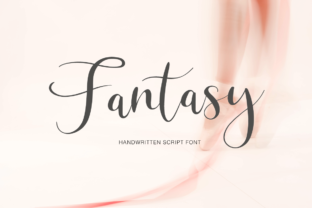
Fantasy: A Handwritten Script Font for Elegant Design
Fantasy is more than just a font—it's a design tool that adds a touch of femininity and elegance to any project. Its unique, flowing letters make it ideal for creating visually appealing content that stands out. Whether you're designing a logo, crafting a brand identity, or working on a creative project, Fantasy offers a fresh and sophisticated look that can elevate your work.
As a handwritten script font, Fantasy brings a personal and artistic feel to digital designs. It’s particularly effective when used in contexts that require a sense of warmth, creativity, or refinement. From marketing materials to social media posts, this font can help you communicate your message with style and grace.
Why Fantasy Matters in Design Strategy
In the world of design, typography plays a crucial role in shaping how audiences perceive a brand or message. Fantasy provides a strategic advantage by offering a distinctive visual identity that can differentiate your work from others. Its fluid and expressive nature makes it perfect for projects that aim to convey emotion, artistry, or a sense of authenticity.
For entrepreneurs and marketers, using Fantasy can help create a memorable brand presence. When paired with other fonts, it can add contrast and balance, making your designs more engaging. For example, combining Fantasy with a clean sans-serif font like Arial or Helvetica can create a modern yet elegant aesthetic that appeals to a wide audience.
From a practical standpoint, Fantasy is also useful for improving readability in certain contexts. While it may not be the best choice for long blocks of text, it shines in headlines, titles, and short phrases where its beauty can be fully appreciated. This makes it an excellent choice for website headers, social media graphics, and promotional banners.
Strategic Use Cases for Fantasy
Fantasy is versatile enough to be used across various industries and applications. In the realm of branding, it can help create a unique identity that reflects a company's personality. For instance, a boutique clothing brand might use Fantasy in its logo to evoke a sense of sophistication and craftsmanship.
For educators and professionals, Fantasy can be a valuable tool in presentations and educational materials. Using it for headings or key points can add a visually appealing element that captures attention and enhances the overall design. However, it's important to use it judiciously to avoid overwhelming the audience with too much visual complexity.
Freelancers and creatives often turn to Fantasy when working on personal projects or client work that requires a touch of elegance. Whether it's for a wedding invitation, a book cover, or a portfolio page, Fantasy can add a refined and artistic flair that sets the work apart.
Planning and Decision-Making with Fantasy
Before incorporating Fantasy into your design, it's essential to consider the purpose and audience of your project. What message do you want to convey? Who is your target audience? These questions can help determine whether Fantasy is the right choice for your needs.
One approach is to start with a clear goal. If your objective is to create a visually striking headline, Fantasy can be an excellent option. However, if your goal is to ensure maximum readability, you may need to pair it with a more traditional font or limit its use to specific elements.
Another consideration is the context in which the font will be used. For digital platforms, such as websites or social media, it's important to test how Fantasy looks on different devices and screen sizes. On mobile devices, for example, the font may appear smaller or less legible, so adjustments may be necessary.
Additionally, think about the overall design theme. Fantasy works well with minimalist or artistic styles but may clash with more corporate or technical designs. Understanding the visual language of your project can help you make informed decisions about how to use the font effectively.
Best Practices for Using Fantasy
To get the most out of Fantasy, follow these practical tips:
- Use it for emphasis: Apply Fantasy to headlines, titles, or key phrases to draw attention and add visual interest.
- Limit its use: Avoid overusing Fantasy in large blocks of text. Instead, reserve it for specific elements that benefit from its elegance.
- Pair it wisely: Combine Fantasy with complementary fonts to create balance and harmony in your design.
- Test for readability: Ensure that the font is legible in the intended context, especially on digital screens.
- Consider the audience: Choose Fantasy only if it aligns with the tone and expectations of your target audience.
By following these guidelines, you can use Fantasy in a way that enhances your design without compromising clarity or effectiveness.
Potential Risks of Misusing Fantasy
While Fantasy offers many benefits, it's important to recognize the risks of using it without a clear strategy. One common mistake is applying it indiscriminately, which can lead to a cluttered or unprofessional appearance. Overuse can also dilute the impact of the font, making it less effective in conveying the intended message.
Another risk is poor readability. If not used carefully, Fantasy can become difficult to read, especially in small sizes or on low-resolution screens. This can frustrate users and reduce the effectiveness of your design.
Additionally, relying too heavily on Fantasy without considering other design elements can result in a lack of balance. A well-designed layout should integrate multiple visual components, including typography, color, and spacing, to create a cohesive and appealing experience.
Conclusion: Intentional Use of Fantasy
Fantasy is a powerful tool that can enhance the visual appeal of your designs when used thoughtfully. By understanding its strengths and limitations, you can make informed decisions about when and how to incorporate it into your work. Whether you're a designer, marketer, or entrepreneur, taking a strategic approach to typography can help you achieve better results and create a stronger connection with your audience.
Ultimately, the key to success with Fantasy lies in intentionality. Rather than using it randomly, focus on how it can support your goals, improve your communication, and add value to your projects. With careful planning and execution, Fantasy can become a valuable asset in your design toolkit.