Old Broadway: A Vintage Font with Strategic Value
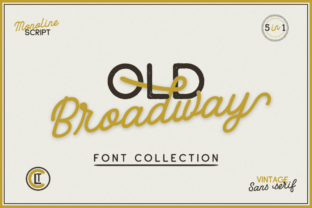
Old Broadway is more than just a vintage font—it's a versatile tool that can elevate your design projects with its hand-drawn charm and modern adaptability. Inspired by classic logotypes, this typeface offers two distinct treatments: regular and rough. Each variant brings a unique character, making Old Broadway an ideal choice for those who want to balance nostalgia with contemporary design needs.
As a monoline typeface, Old Broadway maintains a consistent stroke width, which contributes to its clean and professional appearance. This feature makes it particularly useful in scenarios where readability and visual harmony are essential. Whether you're designing a logo, crafting a marketing campaign, or developing a brand identity, Old Broadway provides the flexibility to match different aesthetic goals without sacrificing clarity.
Why Old Broadway Matters for Strategic Design
In the world of typography, the right font can make a significant difference in how a message is perceived. Old Broadway stands out because it blends the warmth of vintage aesthetics with the precision of modern design. This duality allows it to serve as a bridge between traditional and contemporary styles, making it a valuable asset for professionals across various industries.
For entrepreneurs and small business owners, Old Broadway can help create a memorable brand presence. Its playful yet refined nature makes it suitable for both casual and formal contexts. By using Old Broadway intentionally, you can communicate a sense of authenticity and creativity that resonates with your target audience.
Marketers and advertisers can benefit from the font’s versatility. It works well in headlines, banners, and social media graphics, where visual impact is crucial. When paired with other design elements, Old Broadway can enhance the overall messaging and reinforce brand identity across multiple platforms.
Strategic Use Cases for Old Broadway
Old Broadway is not a one-size-fits-all solution, but its range of applications makes it a practical choice for many design projects. Consider the following use cases:
- Brand Identity: Use Old Broadway for logos, stationery, and packaging to establish a cohesive and distinctive brand image.
- Marketing Materials: Incorporate it into posters, flyers, and digital ads to capture attention while maintaining a polished look.
- Web Design: Apply it to headings and call-to-action buttons to add visual interest without compromising readability.
- Print Media: Leverage its vintage appeal for brochures, magazines, and event invitations to evoke a sense of nostalgia.
Each of these applications requires a thoughtful approach. For instance, when using Old Broadway in print media, consider the size and placement of text to ensure legibility. In web design, test the font across different devices to confirm that it displays consistently and effectively.
Planning and Positioning with Old Broadway
Before incorporating Old Broadway into your design work, take time to plan and position it strategically. Start by defining your goals. Are you looking to create a bold statement, convey a specific emotion, or support a particular brand message? The answers to these questions will guide your decision-making process.
Positioning Old Broadway within your design framework is equally important. Consider the context in which it will be used. For example, if you're designing a website for a tech startup, you might pair Old Broadway with a more modern sans-serif font to balance tradition and innovation. On the other hand, if you're creating a menu for a retro-themed café, Old Broadway could stand alone as the primary typeface.
Another key consideration is consistency. Once you've decided to use Old Broadway, maintain its usage throughout your project to avoid visual clutter. This includes selecting appropriate sizes, weights, and spacing to ensure a harmonious layout.
Enhancing Communication and Creativity
Old Broadway can also play a role in improving communication and fostering creativity. Its unique style encourages designers to think outside the box and experiment with different layouts and visual elements. This can lead to more engaging and dynamic designs that capture the viewer's attention.
For educators and content creators, Old Broadway can be a useful tool for making information more visually appealing. Whether you're designing lesson plans, presentations, or blog posts, using the font can help break up text and make complex ideas easier to digest.
Moreover, the font’s playful nature can inspire a more creative mindset. By introducing a touch of whimsy into your work, you may find new ways to express your ideas and connect with your audience on a deeper level.
Long-Term Value and Branding
When used thoughtfully, Old Broadway can contribute to long-term branding success. A strong brand identity often relies on consistent visual elements, and a well-chosen font is a critical component of that identity. By integrating Old Broadway into your brand materials, you can build recognition and trust over time.
Consider how Old Broadway aligns with your brand’s values and personality. If your brand emphasizes creativity and individuality, the font’s hand-drawn quality can reinforce those attributes. If your brand focuses on professionalism and reliability, the regular treatment of Old Broadway can provide a sophisticated yet approachable look.
Additionally, Old Broadway’s multi-purpose nature means it can evolve with your brand. As your business grows and changes, the font can adapt to new design needs without requiring a complete rebranding.
Risks of Using Old Broadway Without Clear Goals
While Old Broadway is a powerful tool, it’s important to recognize the risks of using it without clear goals or context. Randomly applying the font to every design element can result in a lack of focus and inconsistency. This can confuse your audience and dilute your brand message.
One common pitfall is overusing the font in situations where it doesn’t fit. For example, using Old Broadway in a highly technical document may undermine the professionalism of the content. Similarly, applying it to a minimalist design could clash with the intended simplicity.
To avoid these issues, always ask yourself whether Old Broadway serves a specific purpose in your design. If it doesn’t, consider alternative fonts that better align with your goals and audience expectations.
Intentional Use for Better Results
Intentional use of Old Broadway starts with understanding your audience and their preferences. Conduct research to determine what types of fonts resonate with your target demographic. This insight can help you make informed decisions about when and how to use the font effectively.
Another strategy is to test Old Broadway in different contexts. Create mockups or prototypes to see how it looks in various settings. This will allow you to identify potential issues and refine your approach before finalizing your design.
Finally, stay open to feedback. Encourage others to share their opinions on how Old Broadway performs in your work. Their perspectives can help you improve your design choices and achieve better results.