Scripto Fonte: A Stylish Choice for Editorial and Fashion Designs
Scripto Fonte is a font duo that blends casual elegance with refined charm, making it a standout choice for editorial and fashion-oriented designs. Whether you're working on a magazine layout, a brand identity project, or a social media campaign, Scripto Fonte offers a unique visual appeal that can elevate your work. But like any design tool, it's important to understand how to use it effectively to avoid common pitfalls.
What Is Scripto Fonte?
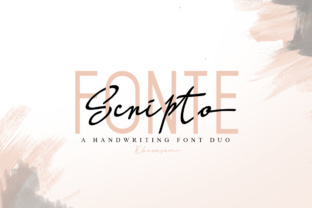
Scripto Fonte consists of two complementary fonts: one script and one sans-serif. The script variant adds a handcrafted, personal touch, while the sans-serif version provides balance and clarity. Together, they create a harmonious pairing that works well in both print and digital formats. This font duo is particularly popular among designers who want to convey a sense of sophistication without sacrificing readability.
Its versatility makes it ideal for headers, logos, invitations, and other design elements where a stylish yet professional look is needed. However, its aesthetic appeal can sometimes lead to misuse, which can undermine its effectiveness.
Common Mistakes When Using Scripto Fonte
One of the most frequent mistakes is overusing the script style. While it adds character, using it excessively—such as in long paragraphs or entire documents—can reduce legibility and make the text harder to read. This is especially true in digital formats where screen resolution and font rendering play a significant role.
Another mistake is not considering the context. Scripto Fonte may be perfect for a fashion blog or a luxury brand, but it might not suit a corporate website or a technical document. Choosing the wrong font for the wrong purpose can send the wrong message and confuse your audience.
Some users also overlook the importance of font pairing. While the duo is designed to work together, it's essential to test different combinations to ensure they complement each other rather than clash. Poor pairing can result in a jarring visual experience that detracts from the overall design.
How to Avoid Common Pitfalls
To get the most out of Scripto Fonte, start by using it strategically. Apply the script style to headings, titles, or short phrases where its elegance can shine. Reserve the sans-serif version for body text or supporting elements to maintain clarity and readability.
Before finalizing your design, consider the audience and the medium. For example, if you're designing for a mobile app, ensure that the font scales well on smaller screens. If you're creating a print piece, check how the font appears in different sizes and resolutions.
Testing is key. Use tools like Adobe Typekit, Google Fonts, or online mockup generators to see how Scripto Fonte looks in various contexts. This will help you identify potential issues before they become problems.
Key Considerations Before Using Scripto Fonte
Before incorporating Scripto Fonte into your projects, verify that it’s available in the right formats. Some fonts may only be accessible through specific platforms or require purchase. Make sure you have the appropriate license for commercial use if needed.
Also, check for compatibility across different devices and operating systems. Not all fonts render the same way on every platform, so it’s wise to test your design on multiple devices to ensure consistency.
Finally, think about accessibility. While Scripto Fonte is visually appealing, it should not compromise the readability of your content. Ensure that there is sufficient contrast between the text and background, and avoid using it in situations where clarity is critical.
Realistic Examples and Better Approaches
Imagine you’re designing a brochure for a boutique clothing line. Using the script style for the title and the sans-serif for the product descriptions creates a balanced and professional look. This approach highlights the brand’s personality while maintaining readability.
In contrast, if you were to use the script style for the entire brochure, it could make the text difficult to scan and less effective at conveying information. Similarly, using the sans-serif for a logo might make it feel too plain or unremarkable.
A better approach is to experiment with different applications of the font duo. Try using the script for a tagline and the sans-serif for a call-to-action button. This creates visual interest while keeping the design cohesive.
Conclusion: Make Informed Choices With Scripto Fonte
Scripto Fonte is a powerful tool for adding style and sophistication to your designs. However, its effectiveness depends on how it’s used. By avoiding common mistakes, testing your designs, and considering the context, you can maximize the benefits of this font duo.
Remember, the goal is to enhance your message, not overshadow it. With careful application and thoughtful design choices, Scripto Fonte can become a valuable asset in your creative toolkit. Always take the time to evaluate your options and make decisions that align with your goals and audience needs.