Pepitas: A Handwritten Font for Creative Expression
In the world of design and typography, fonts play a crucial role in conveying messages, emotions, and identities. One such font that has gained popularity for its unique style and versatility is Pepitas. This handwritten font offers a personal touch that can elevate various design projects, from greeting cards to branding materials. In this article, we will explore what Pepitas is, why it's significant, and how it can be used effectively in different contexts.
What is Pepitas?
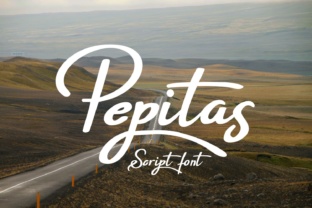
Pepitas is a handwritten font that brings a sense of warmth and authenticity to any design. Unlike standard typefaces, which are often created with precision and uniformity, handwritten fonts like Pepitas mimic the natural flow of human handwriting. This gives designs a more personal and approachable feel, making them ideal for creative and expressive purposes.
The name "Pepitas" itself is derived from the Spanish word for "peanuts," but in the context of typography, it refers to the font's distinctive characteristics. The font features elegant curves, subtle variations in stroke thickness, and a casual yet refined appearance. These elements combine to create a visual identity that stands out while remaining easy to read.
Understanding the Features of Pepitas
One of the key features of Pepitas is its swash style. To access the swash, users need to type an underscore (_) after certain letters—specifically g, j, p, y, and q. For example, typing Pe_pitas would produce a version of the letter 'p' with a decorative flourish. This feature adds a level of customization and artistic flair that makes Pepitas particularly appealing for designers looking to add a unique touch to their work.
The swash variation not only enhances the aesthetic appeal of the font but also allows for greater flexibility in design. Whether you're creating a logo, a quote, or a poster, the ability to use swashes can help differentiate your work and make it more visually engaging.
Why Use Pepitas?
Pepitas is more than just a font—it's a tool for creative expression. Its handwritten style makes it ideal for projects that require a personal or artistic touch. Here are some reasons why designers and creators might choose Pepitas:
- Greeting Cards: Pepitas can add a heartfelt and personalized feel to birthday, wedding, or thank-you cards.
- Branding Materials: Businesses looking to convey a friendly and approachable image can use Pepitas in logos, packaging, and marketing collateral.
- Business Cards: A handwritten font like Pepitas can make a business card stand out and leave a lasting impression.
- Quotes and Posters: Pepitas is perfect for displaying motivational quotes, art prints, or social media graphics.
By using Pepitas, designers can communicate a sense of individuality and creativity, which is especially valuable in today's competitive design landscape.
How to Use Pepitas Effectively
While Pepitas is visually appealing, it's important to use it thoughtfully to ensure readability and effectiveness. Here are some tips for using the font successfully:
- Use It Sparingly: Since handwritten fonts can be harder to read in large blocks of text, it's best to use Pepitas for headlines, titles, or short phrases rather than long paragraphs.
- Pair It With Complementary Fonts: To maintain balance, pair Pepitas with a more traditional typeface for body text. This creates contrast and ensures clarity.
- Experiment With Swashes: Take advantage of the swash feature to add a decorative element to specific words or letters. This can enhance the visual interest of your design.
- Consider Your Audience: Think about who will be viewing your design. If the audience is more formal or professional, a handwritten font may not be appropriate. However, for creative or casual projects, Pepitas can be a great choice.
Pepitas in Modern Design
In today's digital age, where most communication is done through screens, the use of handwritten fonts like Pepitas can bring a sense of authenticity and human connection. This is especially relevant in industries such as marketing, education, and personal branding, where building trust and rapport is essential.
For example, educators might use Pepitas in lesson plans or classroom materials to create a more engaging and inviting learning environment. Similarly, entrepreneurs and small businesses can leverage the font to build a brand identity that feels genuine and relatable.
Moreover, in the realm of social media and content creation, fonts like Pepitas can help content creators stand out and express their personality. Whether it's a YouTube thumbnail, Instagram post, or blog header, the right font can make a significant difference in how content is perceived.
Common Misconceptions About Handwritten Fonts
Despite their popularity, handwritten fonts are sometimes misunderstood. Some people assume that they are less professional or harder to read than standard typefaces. However, this is not always the case. When used appropriately, handwritten fonts can be both aesthetically pleasing and functional.
Another common misconception is that all handwritten fonts are the same. In reality, each font has its own unique style and character. For instance, while Pepitas is known for its elegance and swash variations, other fonts may have a more casual or playful look. Understanding these differences can help designers choose the right font for their specific needs.
Conclusion
Pepitas is a versatile and expressive handwritten font that can enhance a wide range of design projects. Its unique style, combined with the swash feature, makes it a popular choice for those looking to add a personal touch to their work. Whether you're designing a greeting card, branding material, or a social media graphic, Pepitas offers a fresh and creative alternative to traditional typefaces.
As with any design element, the key to using Pepitas effectively lies in understanding its strengths and limitations. By considering factors such as readability, context, and audience, designers can harness the full potential of this font and create visually compelling and meaningful work.