Saltery: A Modern Brush Font for Creative Workflows
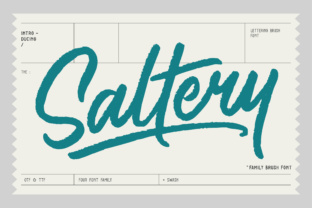
Saltery is a brush font designed with precision to mimic the natural flow of a hand-drawn stroke. Its modern, fresh, and casual style makes it ideal for a wide range of design projects, from branding and marketing to personal creative work. Whether you're working on a digital illustration, a social media post, or a printed flyer, Saltery offers a versatile and stylish solution that blends seamlessly into your workflow.
This font is more than just a visual element—it's a tool that can enhance your creative process by adding a human touch to digital designs. Understanding how Saltery fits into your broader workflow can help you make the most of its unique characteristics.
Understanding Saltery in the Design Process
Saltery is best suited for projects that require a balance between creativity and professionalism. Its casual yet refined look makes it an excellent choice for logos, headlines, and other typographic elements where a natural feel is desired. Unlike rigid typefaces, Saltery allows for a more organic expression, which can be particularly useful in branding or editorial design.
When considering where Saltery fits in your design process, think about the stage of the project. Before starting, you might use it to sketch out ideas or test visual concepts. During the execution phase, it can serve as a primary font for key elements. After finalizing a design, it can add a finishing touch that enhances readability and aesthetic appeal.
Integrating Saltery into Your Workflow
One of the strengths of Saltery is its compatibility with various design tools and platforms. It works well with graphic design software like Adobe Illustrator, Photoshop, and Canva, as well as with content management systems and website builders. This versatility ensures that you can use it across different mediums without compromising quality.
To integrate Saltery smoothly, start by selecting the right version for your needs. Some fonts come in multiple weights or styles, so choose the one that aligns with your project’s tone and purpose. Once selected, incorporate it into your design files and experiment with different layouts to see how it interacts with other elements.
When working with a team, ensure that all members have access to the same font version to maintain consistency. If you're using Saltery in a collaborative environment, consider sharing the font file or linking to a reliable source where others can download it easily.
Practical Use Cases for Saltery
Saltery is particularly effective in scenarios where a personal or artistic touch is needed. For example, in marketing campaigns, it can be used for taglines or product names to create a more approachable and engaging visual identity. In educational materials, it can add a friendly and inviting feel to headings or titles.
For entrepreneurs and small business owners, Saltery can be a valuable asset in branding efforts. Whether designing a logo, creating promotional materials, or setting up a website, the font’s natural appearance helps convey authenticity and creativity. It’s also useful for bloggers and content creators who want to stand out with a unique typographic style.
In personal projects, such as journaling or handmade crafts, Saltery can bring a sense of individuality and flair. Its brush-like strokes can evoke a sense of craftsmanship, making it a great choice for DIY enthusiasts or those looking to add a custom touch to their work.
Optimizing Saltery for Different Projects
Before using Saltery, consider the context of your project. For instance, if you're designing for print, ensure that the font is high resolution and suitable for the intended medium. For digital use, check that it displays clearly on different screen sizes and resolutions.
When working on a multi-platform project, test Saltery across devices to ensure consistency. This includes checking how it looks on desktops, tablets, and mobile phones. If necessary, adjust spacing or sizing to maintain readability and visual harmony.
Another important factor is the overall design palette. Saltery pairs well with other fonts and color schemes, but it’s essential to choose complementary elements that support its style. For example, pairing it with a clean sans-serif font can create a balanced contrast, while a bold color scheme can highlight its expressive nature.
Long-Term Use and Maintenance
As you continue to use Saltery in your workflow, keep track of updates or variations that may become available. Font designers often release new versions with improved features or additional styles, which can enhance your design options over time.
Regularly review your projects to ensure that Saltery continues to meet your needs. If you notice any issues with legibility or compatibility, consider adjusting how you apply the font or exploring alternative options. Staying proactive about font maintenance can help prevent disruptions in your design process.
Finally, document your use of Saltery within your workflow. This can include notes on preferred styles, common applications, and any challenges encountered. Keeping this information organized can save time and improve efficiency in future projects.
Conclusion: Embracing Saltery in Your Creative Practice
Saltery is more than just a font—it’s a tool that can elevate your design work with its natural, brush-like aesthetic. By understanding how it fits into your workflow, integrating it effectively, and using it in practical ways, you can unlock its full potential. Whether you're a designer, marketer, educator, or hobbyist, Saltery offers a fresh and modern approach to typography that can enhance your creative output.
As you explore its applications, remember to focus on how it supports your goals and improves your process. With careful planning and thoughtful implementation, Saltery can become a valuable part of your design toolkit, helping you achieve professional and visually appealing results.