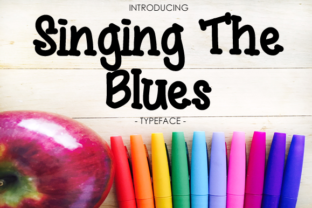
Singing the Blues: A Bold Font for Creative Workflows
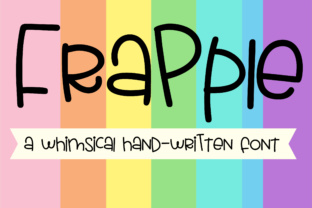
Singing the Blues is a thick and bold handwritten font that brings a unique visual energy to any project. Its playful yet professional appearance makes it ideal for children's or school-themed designs, but its versatility extends far beyond those boundaries. Whether you're working on a marketing campaign, a classroom presentation, or a personal creative endeavor, this font can add character and clarity to your work.
Fonts are more than just aesthetic choices—they are tools that shape how information is perceived and processed. Singing the Blues fits into a broader workflow by enhancing readability while maintaining a strong visual presence. It’s particularly useful in scenarios where a casual yet confident tone is needed, such as branding, signage, or educational materials.
Integrating Singing the Blues into Your Process
Before starting a new project, consider how typography influences the overall message. Singing the Blues can be part of your initial planning phase when designing a brand identity or setting the tone for a publication. Its bold strokes and hand-drawn style suggest creativity and approachability, which can align with specific goals like engaging younger audiences or reinforcing a fun brand personality.
During execution, the font can serve as a focal point in layouts. For example, in a school newsletter or a children’s book, it can highlight headings, titles, or key phrases. When paired with simpler fonts for body text, it creates a balanced contrast that guides the reader’s eye without overwhelming them.
After completing a task, evaluating how Singing the Blues performed in the design can help refine future choices. Did it enhance the message? Was it readable across different sizes and mediums? These insights can inform how you use the font in subsequent projects.
Using Singing the Blues in Different Contexts
In a business context, Singing the Blues can be used to create eye-catching banners or social media graphics. For entrepreneurs or marketers, it adds a distinctive flair that sets their content apart from competitors. It works well in promotional materials where a friendly and energetic tone is desired.
Educators can leverage this font in lesson plans, posters, or digital presentations. Its boldness ensures visibility in large spaces, making it suitable for classroom environments. When combined with clear, structured content, it supports both visual appeal and functional communication.
Freelancers and designers may find Singing the Blues useful in client proposals or portfolio showcases. It adds a personal touch that reflects individual style while maintaining professionalism. This balance is crucial when presenting work to potential clients or collaborators.
Compatibility and Practical Tips
When using Singing the Blues, consider its compatibility with other design elements. It pairs well with clean sans-serif fonts for contrast, but should be used sparingly to avoid visual clutter. Overuse can dilute its impact and make the design feel unbalanced.
For optimal results, test the font at different sizes and on various platforms. Ensure it remains legible on both digital screens and printed materials. Adjust spacing and line height as needed to maintain readability without sacrificing style.
Organizing your design files with clear naming conventions helps streamline the integration of Singing the Blues. If multiple versions of the font are available (e.g., regular, bold, italic), choose the one that best suits the purpose of each element in your layout.
Workflow Examples and Observations
Consider a scenario where a small business owner is creating a social media campaign. They might start by selecting Singing the Blues for headlines and captions to grab attention. They then pair it with a neutral font for body text, ensuring the message is clear and easy to read. This combination allows for a visually engaging post that still communicates effectively.
Another example involves a teacher preparing a classroom poster. By using Singing the Blues for the title, they create an immediate visual interest that draws students’ attention. The font’s boldness reinforces the importance of the message, while the rest of the content remains easy to process.
For a designer working on a logo, Singing the Blues could be used to add a handwritten touch that conveys authenticity. This approach works well for brands aiming to appear more personal or community-focused.
Long-Term Use and Consistency
Consistency is key when using any font over time. If Singing the Blues becomes a staple in your design toolkit, ensure it’s applied uniformly across all materials. This builds brand recognition and reinforces the intended message.
Regularly reviewing how the font performs in different contexts helps identify areas for improvement. For instance, if it’s frequently used in low-resolution images, consider alternative styles or formats that maintain quality without compromising the design.
As workflows evolve, staying open to new typographic trends can enhance the effectiveness of Singing the Blues. Experimenting with different applications keeps the font relevant and adaptable to changing needs.